Fall Dinner Ideas: Build a Dinner Rotation That Works
Build a flexible dinner rotation with quick meals, one-pot soups, a sheet-pan dinner, leftovers and seasonal fall dinner ideas.
 Sophie Bennett♥0 Likes!
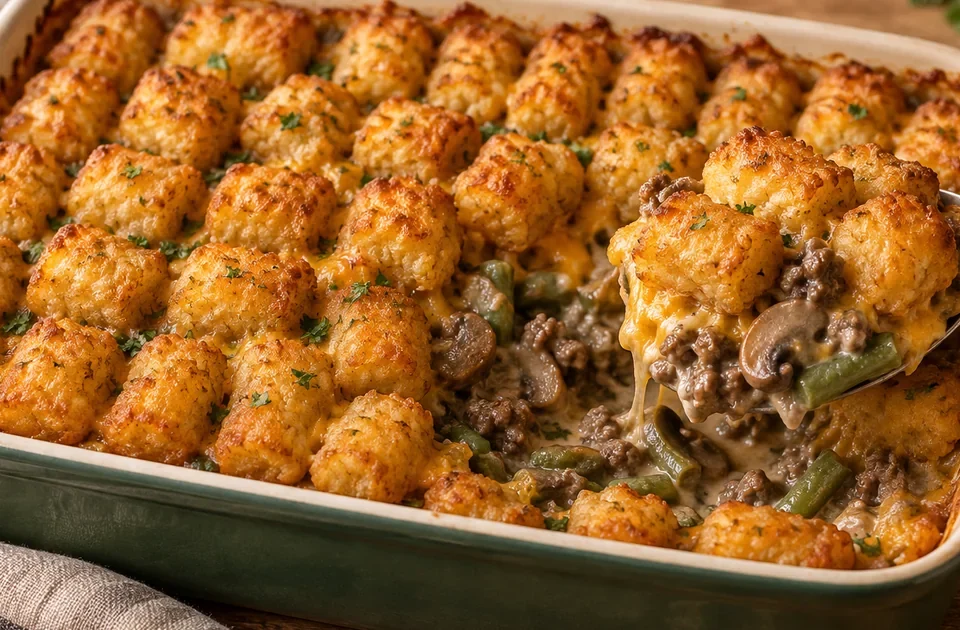
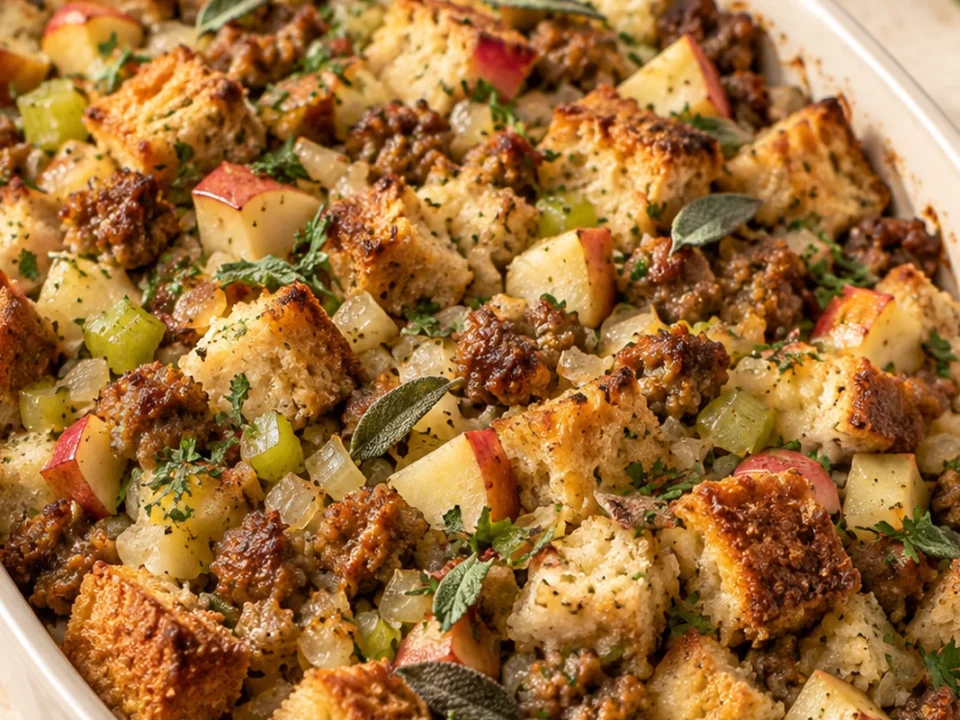
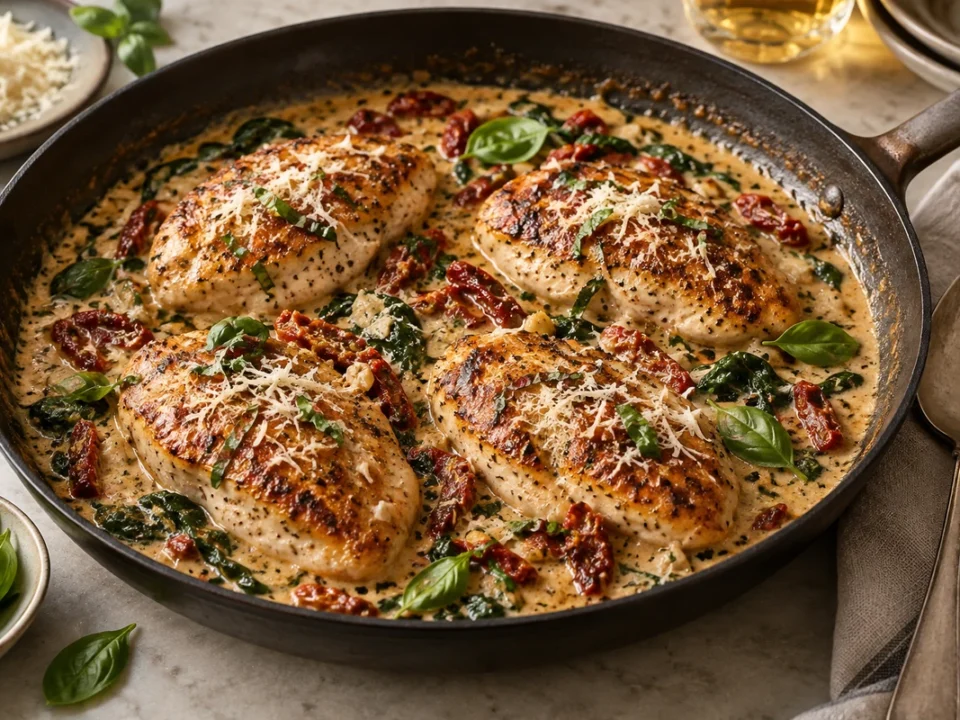
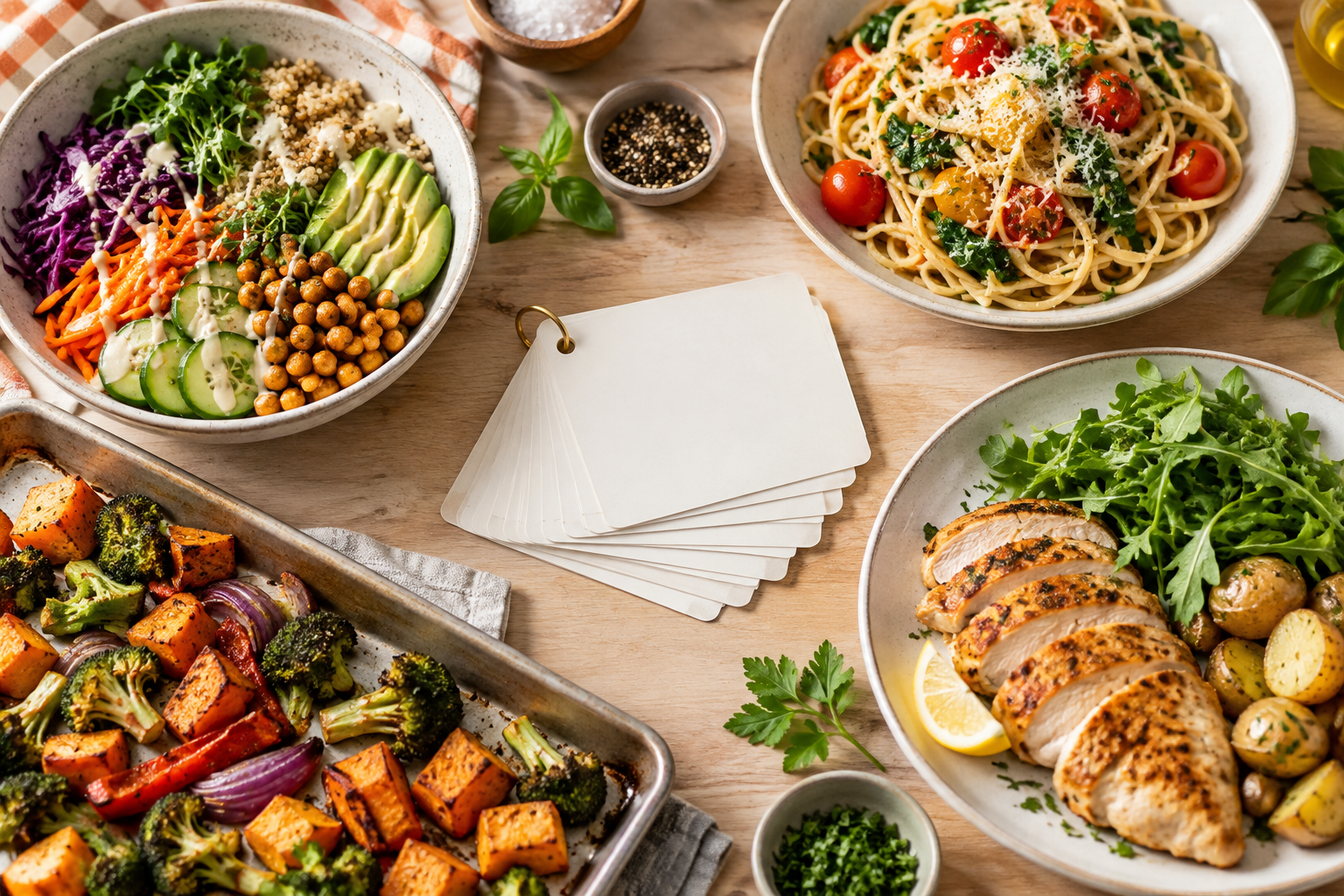
A useful dinner rotation starts with 10–12 meals you can make on real weeknights, not seven brand-new recipes every week. Pick a few quick dinners, one or two cozy one-pot meals, an oven dinner, and a pantry or leftovers option. Choose four or five for the current week and keep two flexible backups for the days that do not go to plan.
This approach gives you dependable fall dinner ideas without locking every meal to a particular weekday. You still get variety, but you make fewer decisions when everyone is hungry.
Build your dinner rotation in five simple groups
1. Quick dinners for the busiest nights
Start with two meals you can assemble or cook with limited prep. Leftover Rotisserie Chicken Quesadillas turn cooked chicken into a crisp skillet dinner, while an Avocado Chicken Rice Bowl gives you a flexible base for vegetables and sauces you already have.
2. One-pot comfort food
Cooler evenings are a good place for one dependable soup night. Rotate among Lemon Chicken Orzo Soup, One-Pot Broccoli Cheddar Soup, and Crispy Cabbage Dumpling Soup. You do not need all three in one week; keeping several options stops “soup night” from feeling repetitive.
3. One oven or sheet-pan dinner
An oven meal creates a different rhythm from stovetop cooking. Maple-Dijon Sweet Potato and Sausage Sheet-Pan Dinner works well when you want a hands-off fall dinner with vegetables and sausage on one pan.
4. A pantry or leftovers meal
Every rotation needs a backup that can absorb a changed schedule. Leftover Spaghetti Frittata is useful when cooked pasta needs a second life. For a broader inventory, enter your fridge, freezer, and shelf-stable foods in the Pantry Meal Finder.
5. One seasonal dinner idea
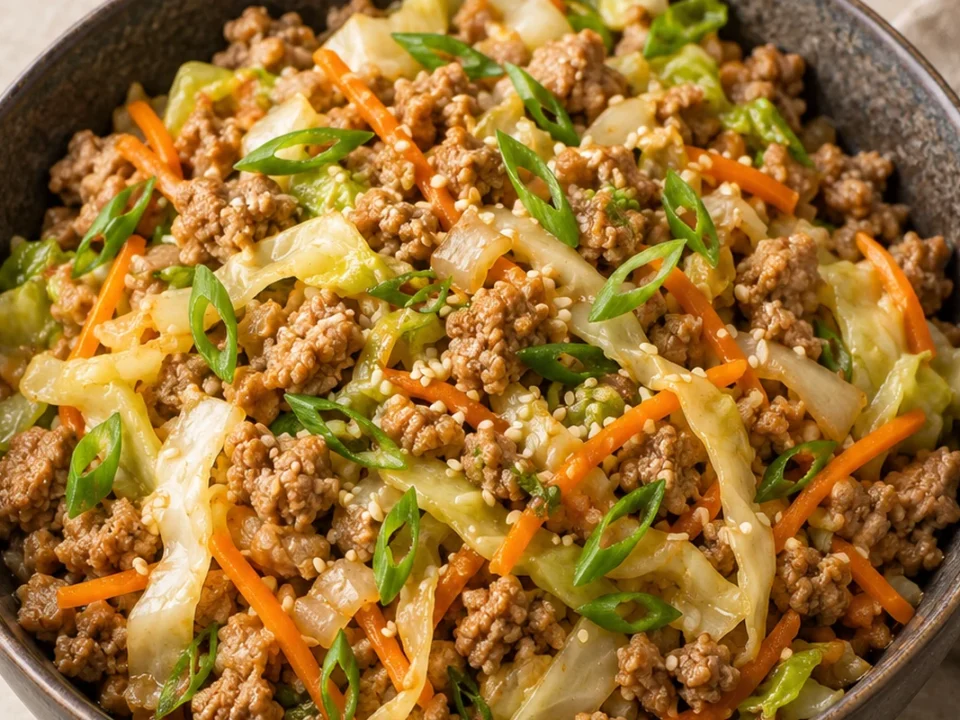
Refresh the rotation with one seasonal recipe at a time. In fall, that might be Jack-o’-Lantern Stuffed Peppers or a cabbage-based dinner. Adding only one new meal keeps the week practical while giving you something different to look forward to.
A sample seven-night fall dinner rotation
| Night | Dinner type | Example |
|---|---|---|
| Monday | Quick skillet | Rotisserie chicken quesadillas |
| Tuesday | One-pot soup | Lemon chicken orzo soup |
| Wednesday | Flexible bowl | Avocado chicken rice bowl |
| Thursday | Leftovers night | Planned leftovers or pantry meal |
| Friday | Seasonal dinner | Jack-o’-Lantern stuffed peppers |
| Saturday | Oven dinner | Sweet potato and sausage sheet-pan dinner |
| Sunday | Comfort food | Broccoli cheddar soup |
Treat this as a template, not a fixed schedule. Move the oven dinner to the day when you have more time, swap a soup for a bowl, or use leftovers earlier if an ingredient needs attention.
Turn the rotation into a grocery list
- Choose four or five dinners that fit the week ahead.
- Open each complete recipe and check its yield and ingredient amounts.
- List the ingredients you already have before adding anything to the cart.
- Use the Grocery List Generator to group the remaining items.
- Keep one fast pantry dinner outside the main plan for schedule changes.
If you want help narrowing the choices, use the Dinner Idea Generator. When several options look right, organize them in the 7-Day Meal Plan Generator.
How often should you change the rotation?
Keep the meals that still work and replace only the ones your household is tired of. A monthly review is usually enough. Seasonal changes can be small: trade one summer salad for a soup, or replace a grill recipe with a sheet-pan dinner.
Frequently asked questions
How many meals belong in a dinner rotation?
Start with 10–12 meals. That is enough variety for most weeks without creating a list that is difficult to remember or shop for.
Does each meal need a fixed weekday?
No. Group meals by time and cooking method, then choose the one that fits the day. A flexible rotation is easier to maintain than a rigid calendar.
How do I stop a dinner rotation from becoming boring?
Change one meal or flavour profile at a time. Keep the cooking method familiar while introducing a different soup, sauce, vegetable, or seasonal ingredient.
What should I cook when the plan falls apart?
Use the pantry meal, leftovers meal, or fastest dinner in your rotation. The backup is part of the plan—not a failure of it.