
How to Use a Recipe Finder With Ingredients You Have
Learn how to enter ingredients clearly, read recipe matches, identify missing items and turn a useful match into a practical grocery list.
 Sophie Bennett♥0 Likes!
A recipe finder works best when you enter the ingredients that actually determine dinner. Start with the main protein, vegetable, starch, or sauce you want to use. Then open the complete recipe before cooking, because a match is a shortcut to a recipe—not a replacement for its ingredient list or instructions.
Start with the ingredients that matter
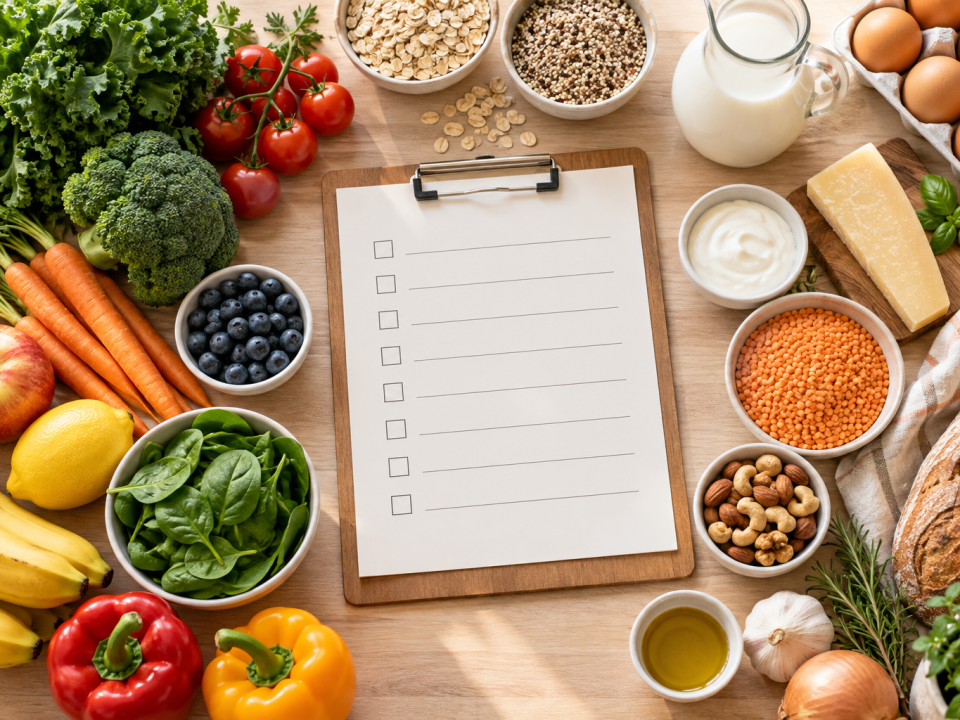
Enter foods such as chicken, rice, pasta, eggs, spinach, canned beans, tortillas, or cream cheese. Skip water, salt, and other common staples unless they are central to the meal. If you enter a long list of every item in the kitchen, the results may be less focused.
Read the match, then check the recipe
Use the Ingredient Recipe Finder to see which published recipes use your ingredients and which items may still be missing. A missing-item label means the ingredient was not recognized in your list; it does not tell you whether it is optional, how much you need, or whether a substitution will work.
Use a practical example
If you have chicken, rice, garlic, cream, and spinach, enter those five foods first. Choose a close result, open its full recipe, and decide whether you have the remaining ingredients. If you only need one or two items, send those ingredient lines to the Grocery List Generator.
When to use the pantry finder instead
Choose the Pantry Meal Finder when your goal is to use a broad list of fridge, freezer, pantry, or use-first foods. It is better for a kitchen inventory; the ingredient finder is better for a short, specific list.
FAQ
Should I enter every ingredient I own?
No. Start with the foods you most want to use. Add more only if the initial results are too broad.
Can a recipe finder guarantee allergy-safe results?
No. Check every recipe and product label independently when an allergy or dietary restriction matters.